Two Methods, Very Different Results
If you’ve been shopping around for exterior cleaning services, you’ve probably come across both pressure washing and soft washing. They might sound like two names for the same thing, but they work quite differently — and choosing the wrong method for a surface can cause real damage. Getting familiar with the basics will help you make a more informed decision.
Many professional exterior cleaning companies offer both services, and a good one will assess each surface before deciding which approach is appropriate. Georgia-based experts from Josh Pressure Washing & Roof Cleaning explain that this assessment matters more than most homeowners realize — skipping it is one of the most common reasons exterior pressure washing goes wrong, and can turn a routine clean into an expensive repair job.
What Pressure Washing Actually Does
Pressure washing uses a high-pressure stream of water — typically between 1,300 and 3,000 PSI — to blast away dirt, grime, mold, and staining from hard surfaces. It’s fast, powerful, and very effective on materials that can handle that level of force. Common applications include driveways, sidewalks, concrete patios, brick walls, and pavers.
When Pressure Washing Can Cause Problems
The same force that makes pressure washing effective on concrete can cause serious harm to softer surfaces. Applying high pressure to roof shingles can strip away protective granules, loosen tiles, and potentially void a roof warranty. Vinyl siding, wood decking, and stucco can all be damaged if the wrong pressure setting is used, which is why a professional surface assessment matters before any cleaning begins.
Where Soft Washing Comes In
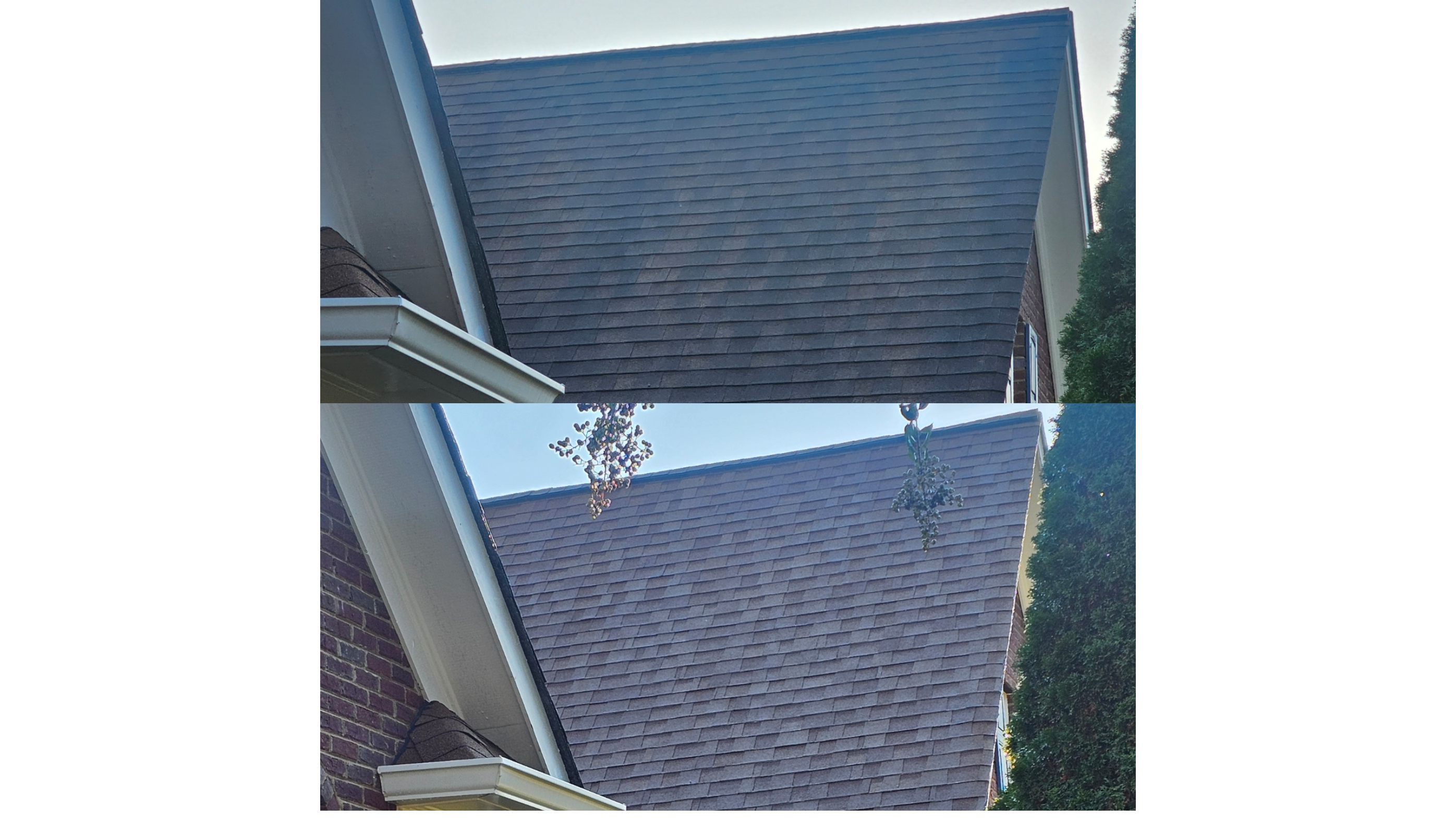
Soft washing takes a fundamentally different approach. Rather than relying on pressure, it uses low-pressure water — typically under 500 PSI — combined with biodegradable cleaning solutions that break down mold, algae, mildew, and organic staining at the source. Because the solution does the cleaning rather than water force, soft washing is far safer for vulnerable surfaces: roofs, siding, painted areas, awnings, and wood decks.
One underappreciated benefit of soft washing is how long the results last. Pressure washing removes visible growth but often leaves behind spores and root systems that allow mold and algae to return quickly. Soft washing solutions kill organic growth at the source rather than just displacing it, so surfaces often stay cleaner for considerably longer before another treatment is needed.
Choosing the Right Method
So, which method does your property need? If the surface is hard and non-porous — concrete, brick, stone — pressure washing is likely the right call. If the surface is softer, painted, or prone to water damage — roofs, timber, siding, rendered walls — soft washing is generally safer. For most homes, both methods will be needed at some point, on different surfaces.
The key is not assuming that more pressure always means a better clean. Working with a professional exterior cleaning service that properly evaluates your property before starting will always deliver better, longer-lasting results than one that applies a single method to every surface without stopping to consider what it’s actually made of.
Josh Pressure Washing & Roof Cleaning
joshpressurewash@gmail.com
+1 404 974 5119
6911 Springcreek Ln
Cumming
GA
30028
United States