
Key Takeaways
- Many apartment and condo buildings in Milpitas require residents to reserve a service elevator weeks in advance – a rule that catches a surprising number of people off guard.
- Missing your building’s elevator window can delay your entire move, trigger extra hourly charges from your movers, or force a rescheduled move date.
- Buildings typically require a Certificate of Insurance (COI) from your moving company before approving elevator access — something not every mover can provide on short notice.
- Understanding your building’s full move-in policy — parking, permitted hours, deposit rules, and elevator slots — is one of the highest-impact things you can do before moving day.
Moving into or out of an apartment in Milpitas involves more than packing boxes and loading a truck. The elevator — specifically, when you’re allowed to use it and under what conditions — can quietly determine whether your move goes smoothly or falls apart before noon.
This guide breaks down what buildings actually require, why it matters more than most residents expect, and how to get ahead of it before moving day.
Apartment Buildings in Dense Areas Like Milpitas Commonly Have Strict Elevator Rules… And Many Residents Don’t See Them Coming
Most people think of the elevator as something they just use. Understandable, right? But in multi-unit residential buildings, especially in denser parts of Silicon Valley, that assumption can cause real problems.
Property managers and HOAs in Milpitas routinely enforce structured policies around how and when residents can move large items through shared spaces – and the elevator is usually at the center of those rules.
These policies exist for practical reasons. A single moving crew with a full truckload can monopolize a building’s service elevator for hours, disrupting deliveries, maintenance schedules, and the daily routines of other residents. So buildings formalize the process: designated service elevators, reserved time windows, permitted hours, protective padding requirements, and financial deposits to cover potential damages.
The problem is that many residents only discover these policies after they’ve already committed to a moving date – sometimes just days before the move. At that point, options narrow fast. The elevator slot may already be taken. The building may need paperwork that takes time to process. A move that felt fully planned suddenly has a major gap in the middle of it.
Why Elevator Scheduling Makes or Breaks Your Move
Missed Windows Mean Delays, Extra Charges, or a Postponed Move
When a moving crew arrives at a building without an elevator reservation (or shows up to find someone else has the slot) the timeline breaks down immediately. Movers can’t carry furniture through occupied lobbies or use the passenger elevator with appliances and furniture stacks. They wait. And in the moving industry, waiting time is almost always billable time.
Hourly moving rates don’t pause because of a building policy conflict. If the crew sits idle for an hour waiting on elevator access, that cost lands on the customer. In more severe cases – say, the building refuses access entirely due to missing paperwork – the move may need to be rescheduled altogether, adding truck fees, re-booking costs, and the logistical headache of re-coordinating both ends of the move.
This is why elevator scheduling isn’t just a building formality. It’s a hard dependency that everything else in your moving timeline is built around.
Milpitas Has a High Density of Apartment and Condo Complexes
Milpitas sits in the heart of Silicon Valley — a city of over 78,000 residents with a strong tech-sector economy anchored by companies like Cisco Systems and KLA Corporation. That economic density translates directly into housing density. The city has a high concentration of apartment and condo complexes, many of them mid-rise and high-rise buildings with formal property management structures.
Unlike suburban neighborhoods where moving day might mean a wide driveway and a clear path to the front door, apartment moves in Milpitas almost always involve shared hallways, service entrances, and elevator coordination. This isn’t an edge case; it’s a standard part of nearly every residential relocation in the area. Buildings with high housing density, often found near transit corridors like VTA Light Rail or major routes off I-680 and I-880, are more likely to have formalized move-in policies in place.
What Buildings Actually Require From You
Every building is different, but there are four requirements that come up again and again across Milpitas apartment and condo complexes. Knowing them ahead of time (and acting on them early) is the difference between a move that runs on schedule and one that hits a wall at 8 in the morning.
1. Reserve the Service Elevator Weeks in Advance
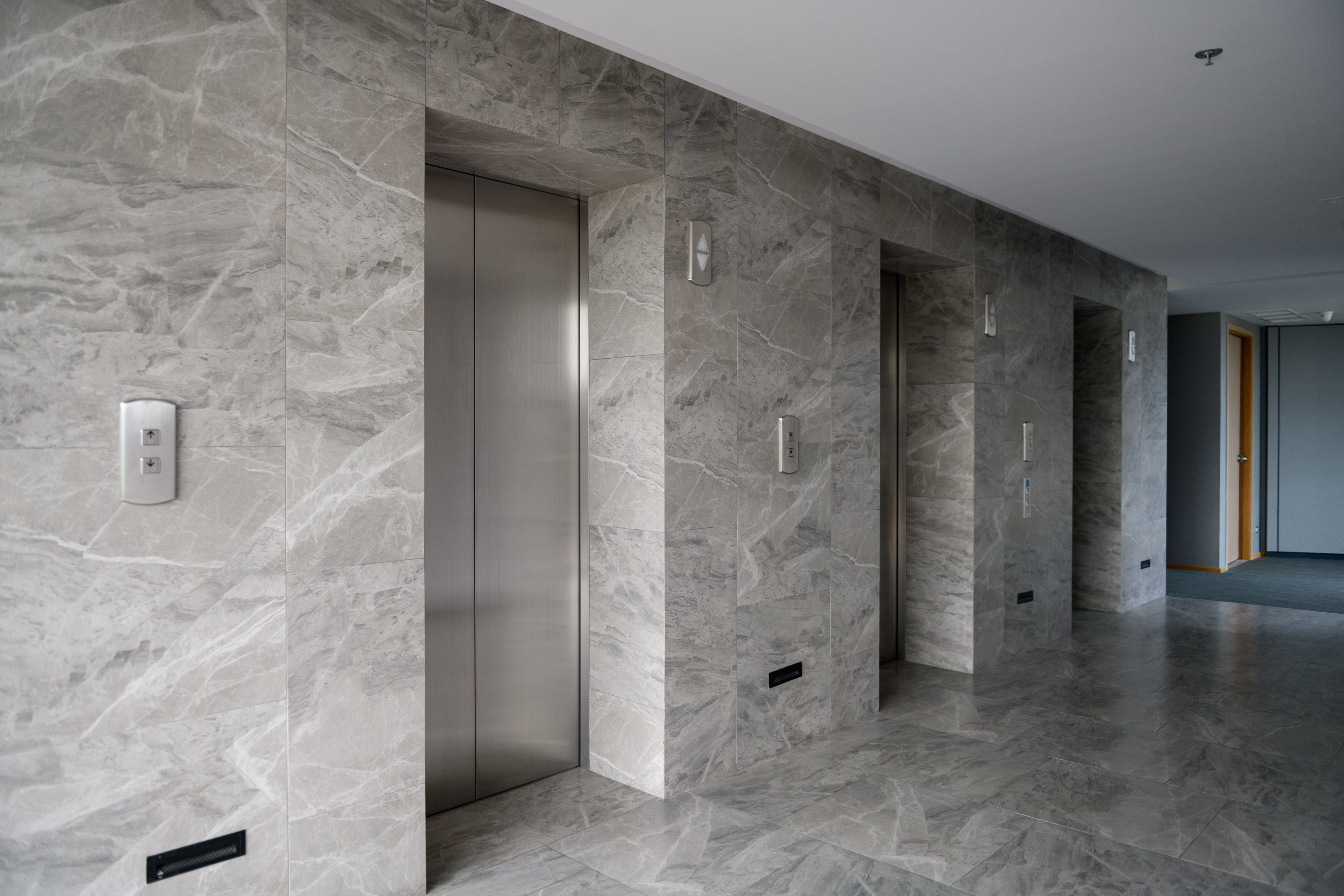
Most buildings don’t allow moves on the passenger elevator. The service elevator (often larger and padded) is the approved path for furniture, appliances, and large boxes. Reserving it typically means contacting the property manager or HOA directly and requesting a specific time slot and date.
The process usually involves a written request, a signed agreement, and sometimes a refundable deposit to hold the slot. The critical detail: popular move dates (weekends, end of month) fill up fast. Waiting until a week before moving day to ask about elevator availability is a common mistake… and a genuinely risky one. Most buildings recommend reaching out at least two to four weeks in advance, and some high-demand complexes book out even further.
2. Provide a Certificate of Insurance (COI) for Your Movers
A Certificate of Insurance is a document that confirms your moving company carries valid liability and cargo coverage. Buildings require it to protect common areas, other residents, and the property itself in case something is damaged during the move. Without a valid COI from your movers, many buildings will refuse to grant elevator access entirely… even if you’ve already reserved a slot.
This is where choosing an unlicensed or underinsured mover creates a real problem. The California Public Utilities Commission (CPUC) requires moving companies operating in the state to be licensed and insured, but not every mover advertising services in the Bay Area meets that standard. A building’s management team will often verify COI details before approving a move, so the document needs to be legitimate – and it needs to match the building’s specific requirements, which can include naming the property as an additional insured.
3. Confirm Permitted Move Hours and Parking Access
Most residential buildings restrict when moves can take place. Weekday hours between 8 a.m. and 5 p.m. are common windows, though some buildings extend slightly into evening hours. Weekend move policies vary widely; some buildings allow Saturday moves with advance notice, while others restrict moves to weekdays entirely.
Parking for the moving truck is a related issue. Many apartment complexes in Milpitas don’t have designated loading zones, which means coordinating with building management about temporary parking access is necessary. Showing up without a plan (and blocking a driveway or fire lane in the process) creates friction with neighbors and management that can slow or halt the entire move.
4. Understand Deposit and Fine Policies for Non-Compliance
Beyond elevator reservations, many buildings require a refundable move-in deposit (separate from a lease deposit) to cover potential damage to common areas like hallways, elevator interiors, and lobby floors. If the moving crew damages a wall or scratches elevator panels, the repair cost is deducted from that deposit before it’s returned.
Some buildings in the Bay Area also impose flat fines for movers who don’t follow scheduling rules: showing up outside the approved window, using the passenger elevator for freight, or blocking access without prior approval. These fines go to the resident, not the moving company. Understanding these policies before signing anything – or before booking a mover – is worth the 15-minute conversation with your property manager.
Efficient Elevator Access Directly Reduces Your Moving Cost
There’s a direct financial connection between elevator scheduling and what you pay for a move. When movers have confirmed, uninterrupted access to the service elevator, they can work at a consistent pace. That means loading, transporting, and unloading without stopping to wait or work around other residents using shared spaces.
When that access is delayed or uncertain, the pace slows. Because local moves in Milpitas are typically billed at an all-inclusive hourly rate, every idle minute costs money. A one-hour delay at the start of a move – say, because the building denied access or the elevator slot wasn’t confirmed – adds directly to the final bill. For a crew of three movers, that delay can represent a meaningful increase in cost that a bit of advance planning would have prevented entirely.
The math is straightforward: a confirmed elevator window plus a prepared crew equals fewer wasted hours and a lower total cost. It’s one of the clearest examples of logistics decisions having real financial consequences on moving day.
Plan Your Milpitas Apartment Move With a Team That Knows the Building Rules
Moving in Milpitas (especially in and out of apartment or condo buildings) involves a layer of logistical coordination that doesn’t show up on a basic moving checklist. Elevator reservations, COI requirements, permitted hours, parking access, and deposit policies are all real factors that can make or break a move if they’re not addressed in advance.
The practical approach is to start conversations with building management early; ideally four to six weeks out. Confirm every requirement in writing before booking anything else. From there, choosing movers who are licensed, insured, and familiar with how Milpitas properties operate is what turns a planned move into a completed one without last-minute surprises.
Got2Move
801 Avenue H
Unit 789
San Francisco
California
94130
United States


